Mustards Healing Abilities
Did you know that mustard has a long history that dates back to the BCE days? Long before mustard became a fridge and sandwich staple, it made its name known in traditional medicine as a surprisingly powerful remedy.
 A Condiment with Ancient Roots
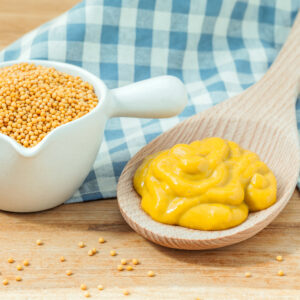
From adding bold flavor to your favorite recipes to serving as a trusted remedy, mustard has a history as rich as its taste. Mustard seeds date back thousands of years, when they were chewed in early Asian diets before 10,000 BCE. Herbalists across cultures used mustard to ease muscle aches, arthritis, bronchitis, and even pneumonia. Egyptians, Greeks, Romans, and Indians all dabbled in the medicinal qualities of mustard.
What Makes Mustard Medicinal?
Mustard seeds (especially brown and black varieties) contain glucosinolates, which convert to allyl isothiocyanate (AITC) when crushed or soaked. AITC provides many benefits, such as anti-inflammatory, antibacterial, and antioxidant activity. Studies have suggested that these compounds even help support heart health by reducing inflammation, normalizing cholesterol, and even interrupting cancer cell growth in lab studies.
Modern Day Medicinal Uses
Mustard Plasters
This method mixes mustard powder with flour and water into a paste, which is then applied over oiled skin, and covered with cloth plus heat. This creates a warming, circulation-boosting effect, which can soothe chest congestion, bronchitis symptoms, sore backs, arthritis or muscle discomfort. It’s important to limit use to around 20 minutes and monitor skin closely to avoid irritation or burns.
Daily Use
Modern herbalists recognize mustard seed oil’s benefits in topical applications for arthritis and joint pain which originated in traditional villages, especially in South Asia. Foot soaks infused with mustard seed, for example, are still recommended for improving circulation and relieving fatigue. Simple dietary use, such as cooking with mustard seeds, supports digestion, metabolism, and immunity thanks to its antimicrobial properties.
DIY Homemade Mustard Medicine
Creating homemade mustard paste can be used for therapeutic purposes. Create a paste by soaking yellow or brown mustard seeds in vinegar and water for 48 hours. Then, blend seeds with vinegar, herbs or honey to craft a pungent yet healthy paste that can be used topically. Some people even sparingly eat this paste as it retains the anti-inflammatory and antioxidant benefits. This simple preparation offers a range of health benefits that have been valued for centuries.
Safety & Precautions
Despite its benefits, it’s important to exercise caution when using mustard. AITC can irritate skin, cause burning sensations, or even trigger allergic responses. It can also irritate the digestive tract if overused raw. Mustard plasters and baths require patch testing and close skin monitoring.
Why Mustard Matters
Mustard combines centuries of traditional wisdom with modern science. There is evidence of anti-inflammatory, heart-protective, and even anticancer effects if used. Whether as a warming bath, muscle-relief compress, or spice in your daily cooking, mustard’s modest seed packs a notable medicinal punch, just make sure to use it thoughtfully and safely.
 Morehouse Quality Products Near You
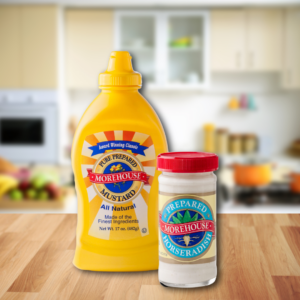
Since 1989, Morehouse has been crafting the highest-quality mustard and horseradish products for our consumers near and far. We have been family owned for five generations and care about customer satisfaction and quality products over all else. Our varieties of mustards and horseradish satisfy both classic and innovative dishes. Find us in your local supermarket or proudly displayed at restaurants in your area.